


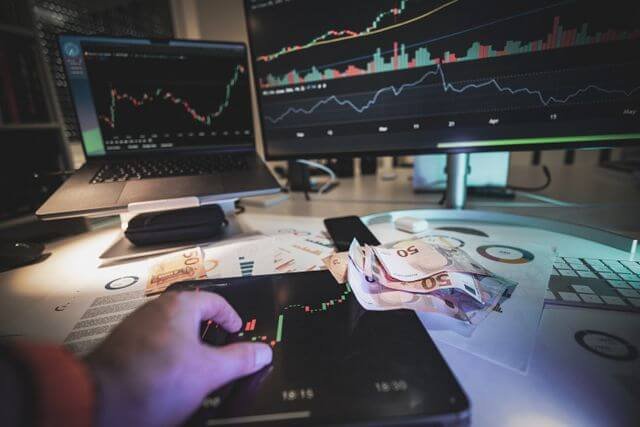
Financial markets offer countless opportunities for individuals seeking to grow their wealth, but few markets generate as much interest among active investors as foreign exchange trading. In the Netherlands, a growing number of market participants are exploring currency markets as a way to diversify their investment activities, respond to global economic developments, and take advantage of market movements that occur around the clock.
Unlike traditional investing, which often focuses on long-term asset appreciation, forex trading appeals to those who enjoy a more hands-on approach. Active investors are drawn to the market’s accessibility, flexibility, and liquidity. As financial education becomes more widely available and online trading platforms continue to evolve, forex has become an increasingly visible part of the Dutch investment landscape.
Access to a Truly Global Market
One of the primary reasons active investors are attracted to forex trading is the global nature of the market. Currency values are influenced by economic data, central bank decisions, geopolitical developments, and international trade relationships. This creates a dynamic environment where investors can follow worldwide events and assess their impact on currency movements.
For Dutch investors, who often have a strong interest in international markets, forex provides direct exposure to global economic trends. Rather than focusing on a single company or industry, traders can analyse broader economic conditions across multiple countries and regions. This wider perspective appeals to investors who enjoy connecting financial news with market opportunities.
The forex market also operates twenty-four hours a day during the trading week. Because trading sessions move across major financial centres such as Asia, Europe, and North America, investors have the flexibility to participate at times that suit their schedules. This accessibility makes the market particularly attractive to individuals balancing investing with professional and personal commitments.
High Liquidity and Fast Market Activity
Liquidity is another major factor driving interest in currency trading. The forex market is widely recognised as one of the largest and most liquid financial markets in the world. High trading volumes generally allow participants to enter and exit positions efficiently, even during periods of heightened activity.
Active investors often value markets where opportunities emerge frequently. Currency prices react to economic announcements, interest rate decisions, employment reports, and inflation data. These events can create short-term market movements that traders monitor closely. The constant flow of information means there is rarely a shortage of developments that may influence currency prices.
As investors seek markets that support active decision-making, many turn to resources that help them better understand the mechanics of forex trading. Learning how currency pairs interact, how economic indicators affect valuations, and how risk management strategies work can help traders make more informed decisions in a fast-moving environment.
Technology Has Made Participation Easier
Advances in financial technology have significantly increased access to forex markets. Modern trading platforms provide real-time pricing, charting tools, educational materials, and market analysis that were once available primarily to institutional participants. Today, retail investors can access sophisticated tools from virtually anywhere with an internet connection.
This technological evolution has lowered many of the barriers that previously limited participation. Investors can monitor positions through mobile applications, receive market alerts, and analyse trends using a wide range of technical and fundamental research tools. The convenience and transparency offered by modern platforms contribute to forex trading’s growing popularity.
Educational resources have expanded alongside technology. Financial institutions, industry organisations, and market experts regularly publish content designed to help traders understand market dynamics. As financial literacy improves, investors are becoming more confident in exploring different asset classes, including currencies, while maintaining a disciplined approach to risk.
Opportunities for Portfolio Diversification
Diversification remains a key principle of responsible investing. While many Dutch investors hold stocks, bonds, exchange-traded funds, or real estate, some seek additional exposure to assets that respond differently to market conditions. Forex trading offers a distinct market driven by macroeconomic factors rather than company-specific performance.
Currency markets can react differently from equity markets during periods of economic uncertainty. This unique behaviour attracts investors who want to broaden their market exposure and avoid relying entirely on a single asset class. While no investment is free from risk, diversification can help investors create a more balanced overall strategy.
Financial professionals and investment educators often emphasise the importance of understanding how different assets behave under varying market conditions. Active investors who study forex markets frequently appreciate the opportunity to engage with economic trends, monetary policy decisions, and international developments that may not be as directly reflected in traditional investments.
Conclusion
Forex trading continues to attract active investors in the Netherlands because it offers access to a global, highly liquid market shaped by real-world economic events. The combination of flexibility, technology-driven accessibility, and continuous market activity creates an environment that appeals to individuals who enjoy active participation and informed decision-making.
While currency trading requires education, discipline, and careful risk management, its growing popularity reflects a broader interest in global investing and financial independence. For Dutch investors seeking new ways to engage with the markets, forex remains an appealing option that combines opportunity, learning, and the excitement of navigating an ever-changing financial landscape.
